On 17th December 2025, the S6 Biology cohort undertook an educational excursion to T·PARK, a state-of-the-art integrated waste management facility in Hong Kong. This field study was designed to complement the curriculum on energy transfer, ecosystem sustainability, and human impacts on the environment. T·PARK represents a significant municipal investment in sustainable technology, functioning simultaneously as an operational sludge treatment plant, a renewable energy generator, and a public education centre. The visit provided a critical opportunity to examine theoretical, biological, and ecological principles within an applied, real-world context.
The visit was structured to facilitate comprehensive observational learning. Students first engaged with the T·GALLERY, where interactive exhibitions and detailed models delineated the underlying scientific and engineering principles of thermal treatment technology. This foundational knowledge was essential for contextualising the subsequent operational observations.
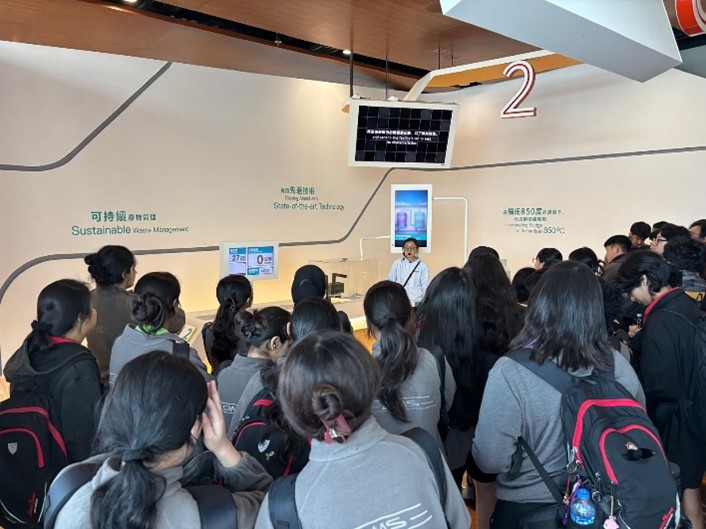
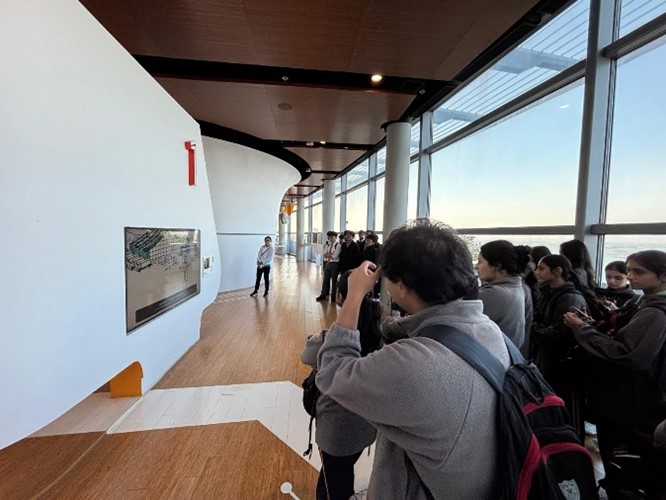
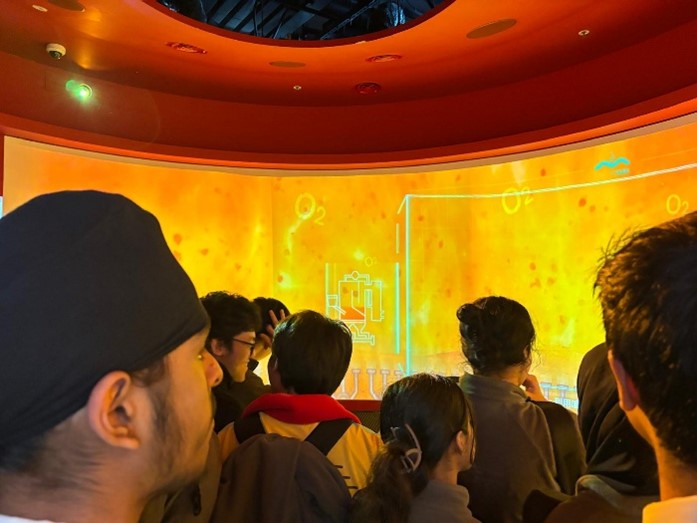
The cohort then proceeded to witness the core operational process through carefully designed viewing galleries. This allowed for the direct observation of the waste-to-energy conversion chain, including the initial reception and handling of sewage sludge, its incineration in high-temperature fluidized bed incinerators, and the subsequent harnessing of thermal energy to generate steam for electricity production. A key learning point was the observation of the energy transfer pathway from chemical energy stored in waste to thermal energy and finally to electrical energy, a tangible demonstration of the principle of energy transformation.
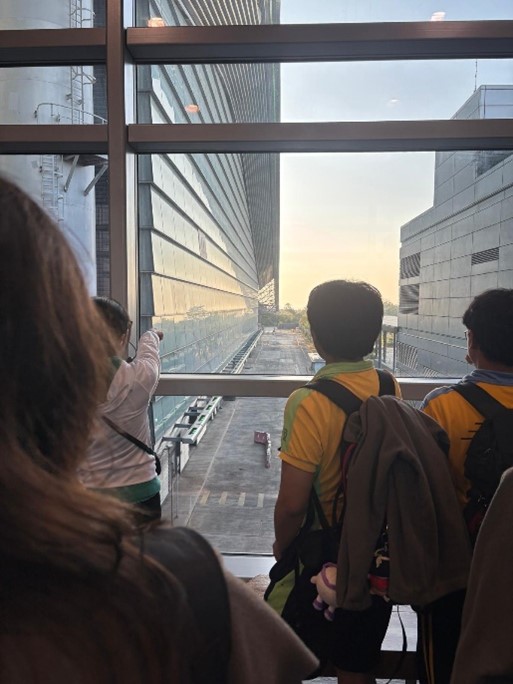
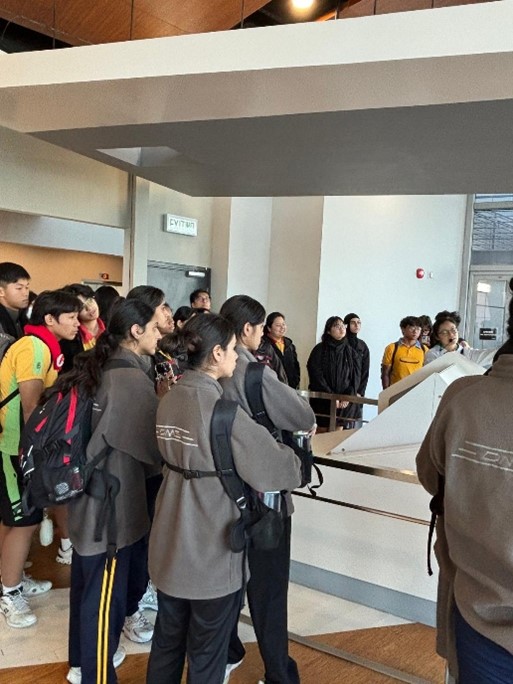
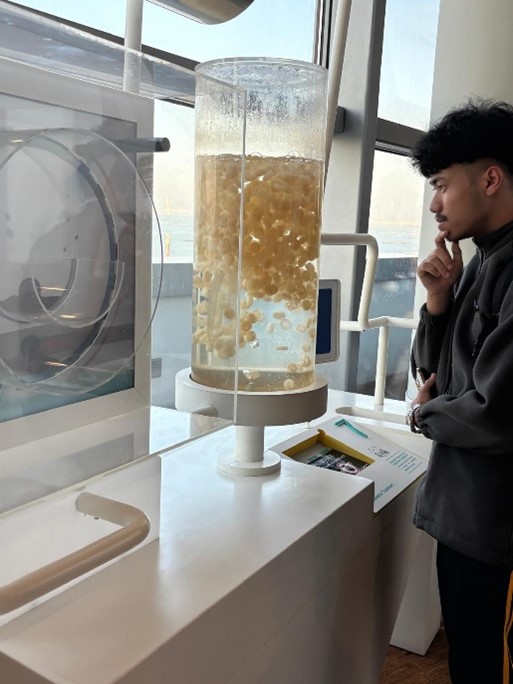
The tour extended to the T·SKY on the facility’s roof, which offered a panoramic view of the surrounding ecological reserve and served as a platform for discussing by-product management. Here, the discussion centred on the facility’s closed-loop design, exemplified by the utilisation of treated water for internal processes and landscape irrigation, and the repurposing of incinerated ash in construction materials. This highlighted the concept of a circular economy, moving beyond mere waste disposal to resource recovery.
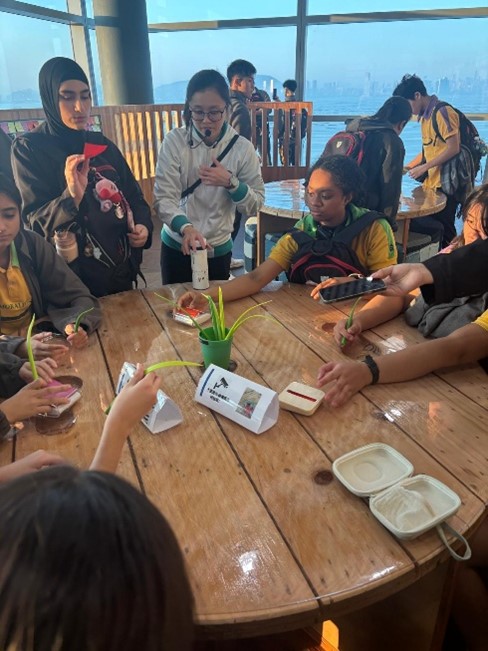
The visit yielded significant multidimensional learning outcomes. Primarily, it served to consolidate and concretise academic knowledge. Abstract concepts from textbook chapters on energy flow and pollution management were transformed into tangible processes, enhancing cognitive retention and conceptual understanding.
Furthermore, the experience broadened student perspective on sustainable urban development. T·PARK stood as a case study in how technological innovation can address pressing environmental challenges in a densely populated metropolis. Students gained insight into Hong Kong’s strategic approach to waste management and renewable energy generation, appreciating the complexities and engineering solutions involved.
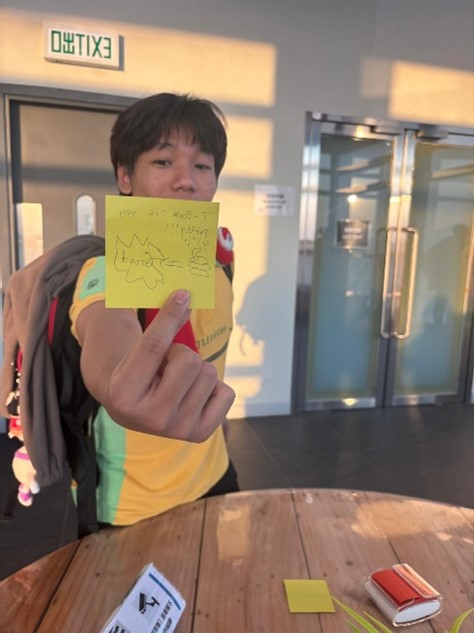
Importantly, the visit fostered a deeper sense of environmental stewardship and global citizenship. By comprehending the scale and sophistication of waste processing, students were prompted to reflect on the source of the waste stream—society’s consumption patterns. This introspection cultivates a sense of shared responsibility and underscores the importance of individual and collective action in waste reduction at its source. It also challenged students to critically evaluate current waste management paradigms and to envision more innovative, environmentally benign alternatives. The exposure to cutting-edge applications of science has the potential to inspire future academic and career pursuits in environmental science, engineering, and sustainable design. The experience underscored the imperative of interdisciplinary solutions in building a sustainable future, leaving students not merely as passive learners, but as informed and potentially motivated contributors to environmental solutions.