Review to Biology Field trip ( Mai Po)
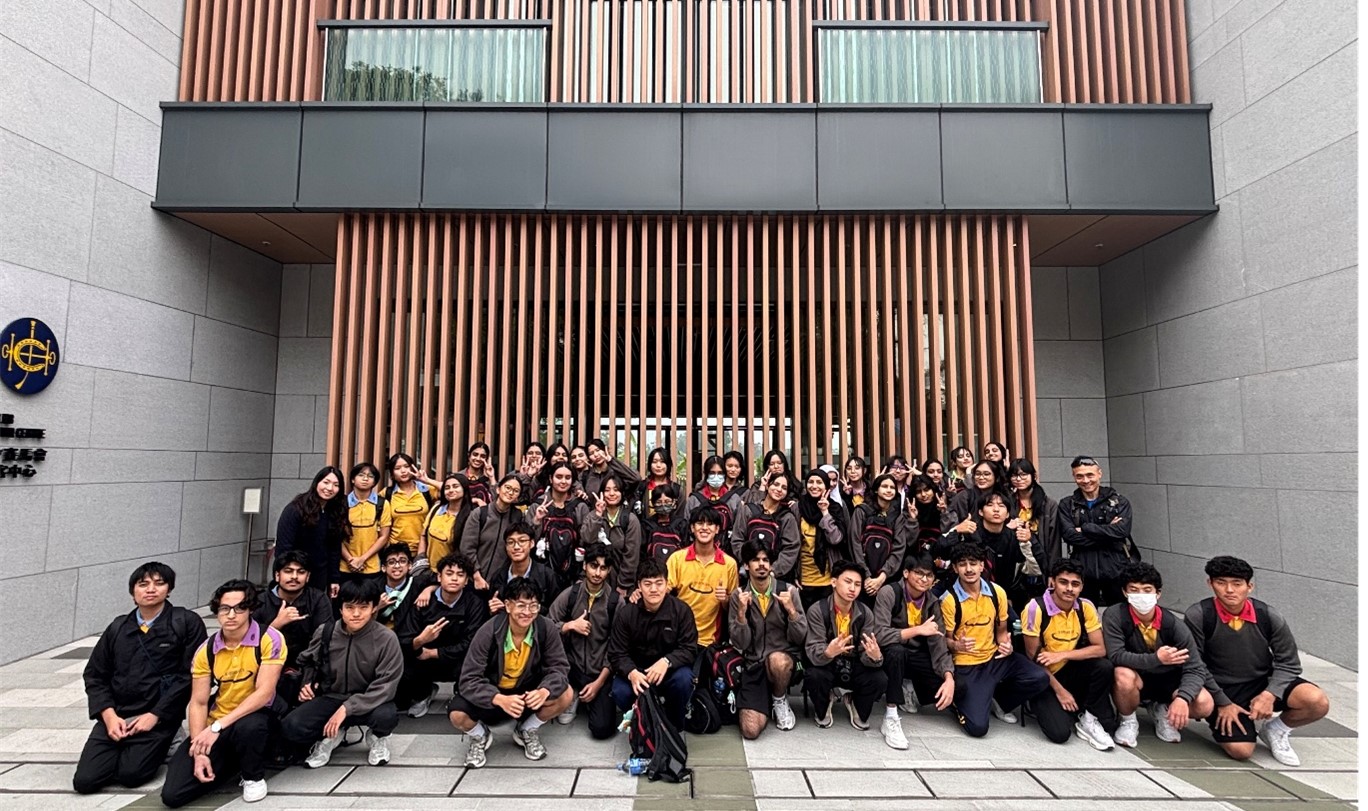
On 30 January 2026, the entire S5 Biology class visited the Mai Po Nature Reserve Centre as a practical learning activity linked to HKDSE Biology Chapter 19: Ecosystems. Widely recognised as Hong Kong’s “Bird Paradise,” Mai Po attracts approximately 60,000 migratory birds annually, creating a breath-taking spectacle during their winter migration to roost in Deep Bay. Managed by WWF-Hong Kong since 1983, the reserve boasts a rich variety of wetland habitats—including traditional Gei Wai (shrimp ponds), mangroves, intertidal mudflats, and reedbeds—making it a vital habitat and stopover site for water birds.
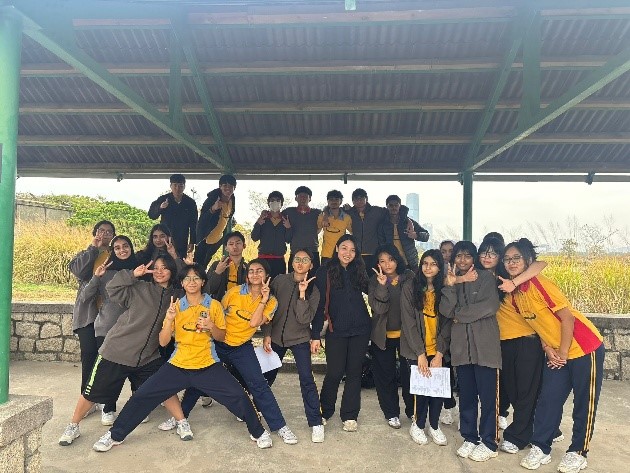
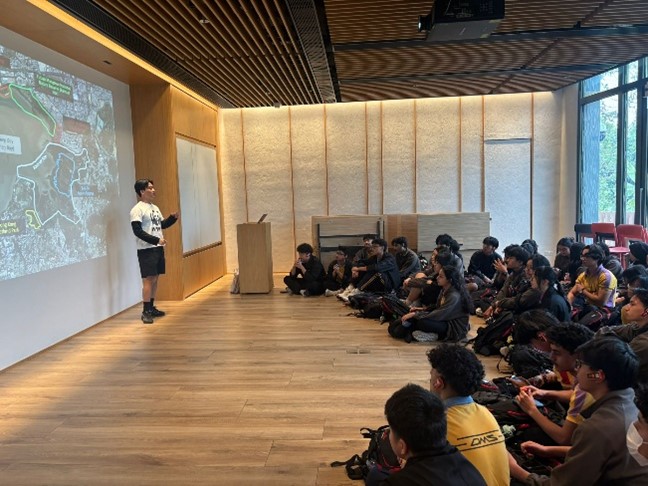
The day commenced with an informative talk delivered by the reserve staff and teachers, which introduced students to the diverse habitats and underscored the need for responsible behaviour and respect towards the natural environment.
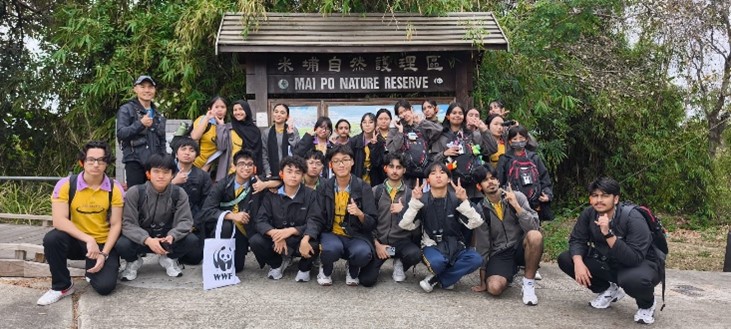
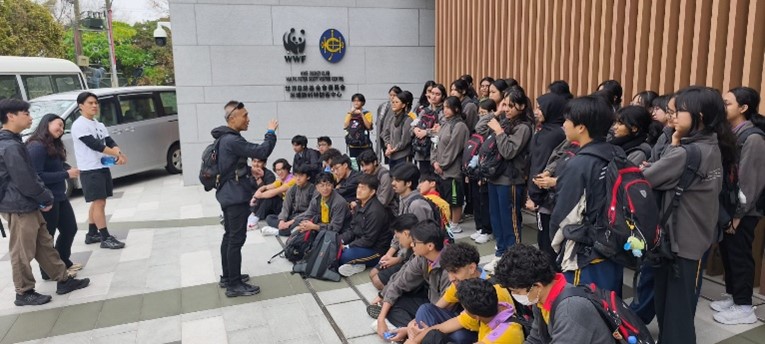
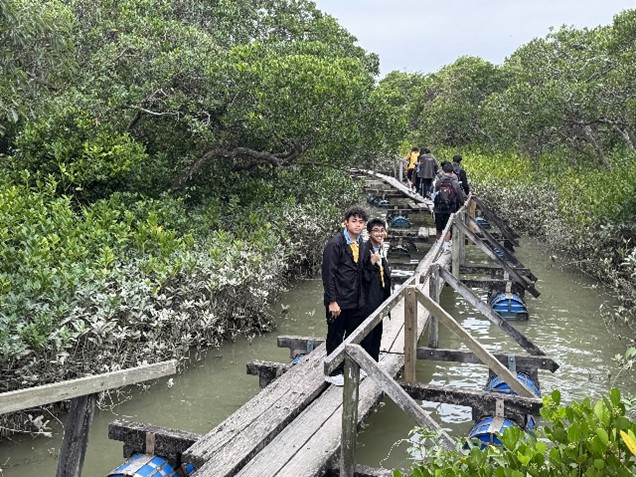
Following the session, the students split into two groups for guided exploration. They walked along the boardwalk, visited Gei Wai ponds, and entered birdwatching hides to observe wildlife in their natural settings. Many expressed excitement at discovering this serene, natural facet of Hong Kong far removed from the urban landscape. Throughout the tour, they were reminded to keep a safe, respectful distance from birds to minimise any disturbance to their habitats.
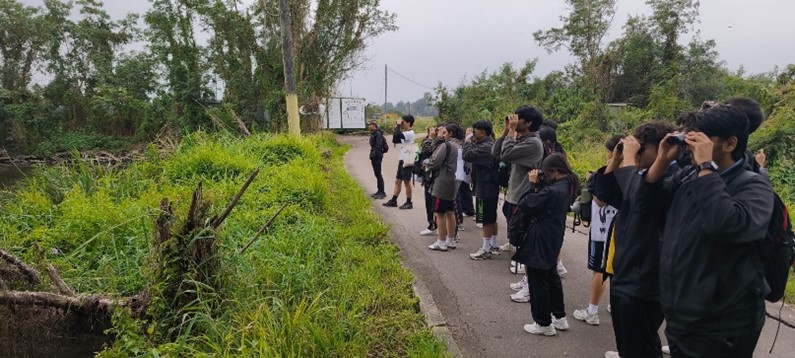
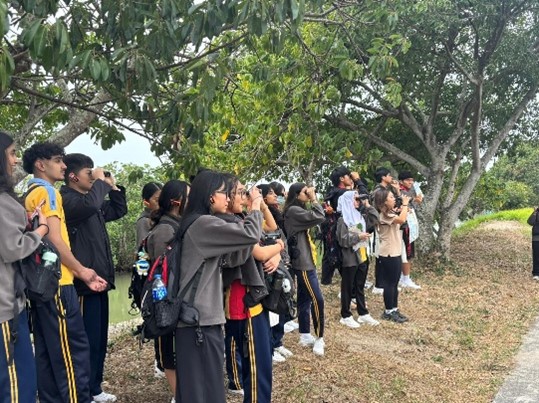
In the mangrove areas, students actively engaged with the wetland ecosystem. Equipped with worksheets, they identified various plants and organisms, with particular enthusiasm for Kandelia obovata, Hong Kong’s most common mangrove species—which coincidentally shares a name connection with our school, adding a special touch to the experience.
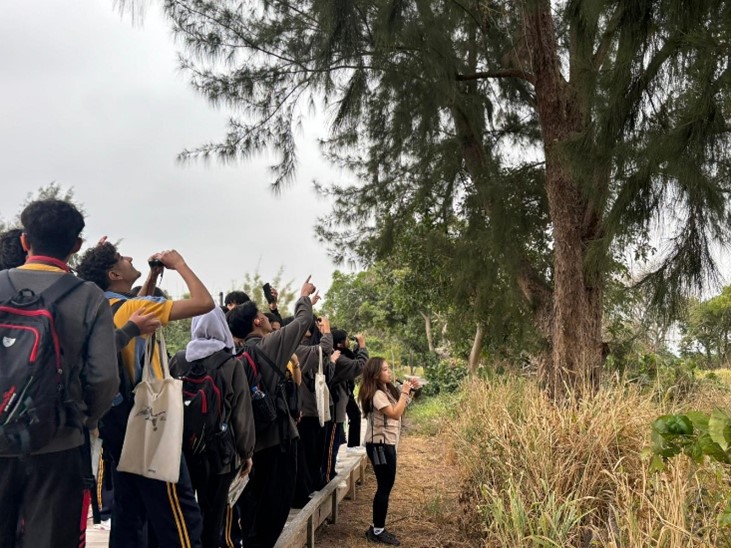
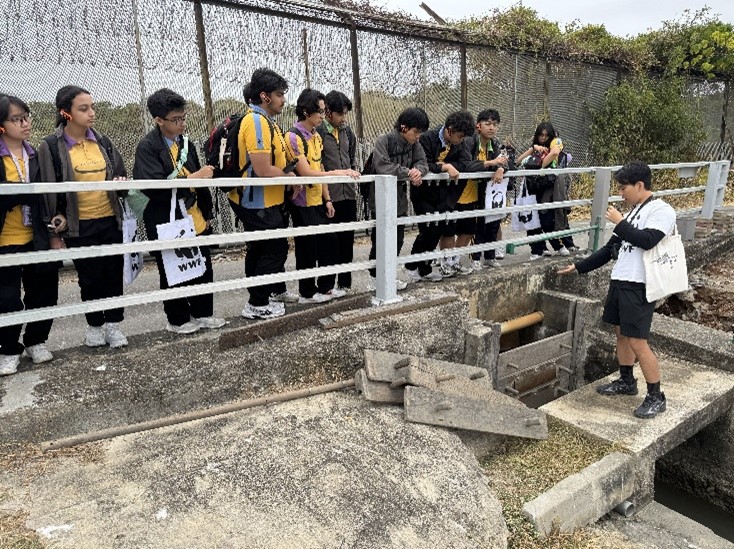
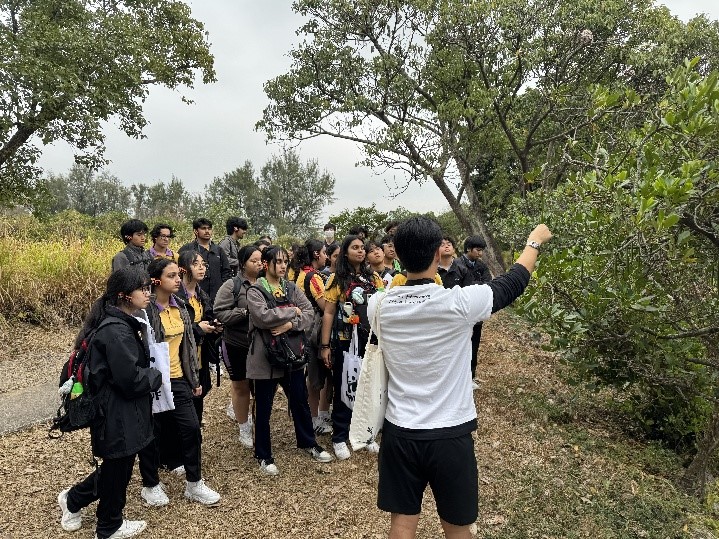
Students also observed birds engaged in their daily routines, deepening their appreciation of ecological interactions. Later, they presented their fieldwork findings to teachers, which helped sharpen their presentation and communication abilities.
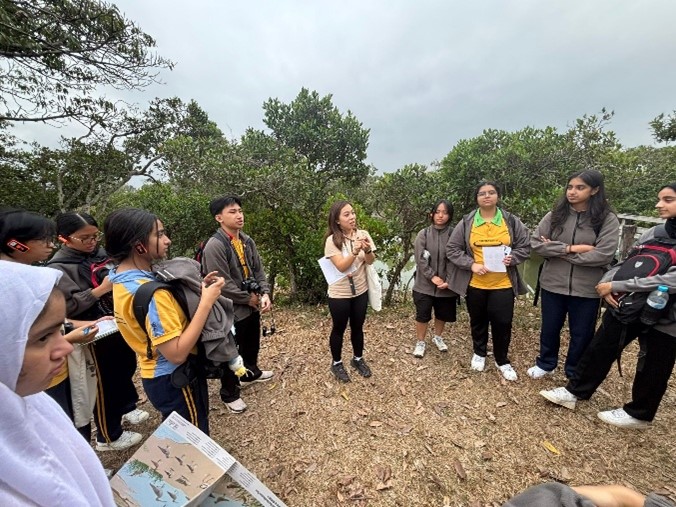
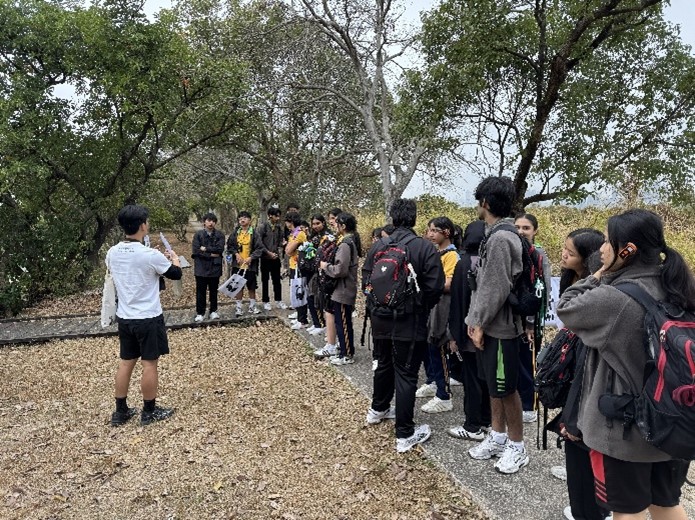
Overall, the trip provided invaluable hands-on insight into ecosystem dynamics, biodiversity, and conservation. Beyond academic learning, it reinforced the significance of environmental stewardship, inspiring students to adopt more responsible attitudes towards nature and sustainability.